10 Low Competition Etsy Niches for POD Sellers
Etsy had 86.5 million active buyers, 5.6 million active sellers, and about 100 million active listings across the marketplace, so the strongest low competition Etsy niches aren't broad categories like “shirts” or “pet gifts.” They're specific communities, professions, behaviors, places, and life moments where buyers recognize themselves. Each idea still needs current demand, competition, design, and trademark validation before launch.
The popular advice is to “find an untapped niche,” but a niche appearing on a public list isn't automatically an opportunity. Low competition can mean low demand, weak buyer intent, poor product fit, or a phrase nobody searches for. A narrow idea only becomes commercially useful when real shoppers recognize the language and enough comparable products exist to reveal a buying pattern.
I evaluate opportunities through six practical lenses: the audience must be narrow enough to identify, the phrase must show buyer intent, Etsy must contain visible marketplace evidence, the concept must translate into products, related keyword variations must exist, and the price must leave room for production and marketplace costs. Trademark safety belongs in the same process, not as an afterthought.
Trendlytic can help review live bestseller data across Etsy, TeePublic, Amazon Merch, and Redbubble, then compare tags, designs, pricing, and competition signals. Its results reduce manual searching, but research doesn't replace judgment. You still need to inspect the actual listings, understand the community, and decide whether your design offers a reason to exist.
Specificity is the starting point, not proof of sales.
Table of Contents
- 1. Niche Professions and Job-Specific Humor
- 2. Pet Parent Personalization
- 3. Minimalist Wellness and Mental Health Affirmations
- 4. Niche Hobby Communities and Subcultures
- 5. Regional and Local Pride
- 6. Life Stage and Relationship Milestone Humor
- 7. Eco-Conscious and Sustainable Living
- 8. Pet Breed and Animal Behavior Stereotypes
- 9. Occupation-Specific Dating and Relationship Humor
- 10. Fitness and Sports Performance
- Comparison of 10 Low-Competition Etsy Niches
- Validate One Niche Before You Scale
1. Niche Professions and Job-Specific Humor
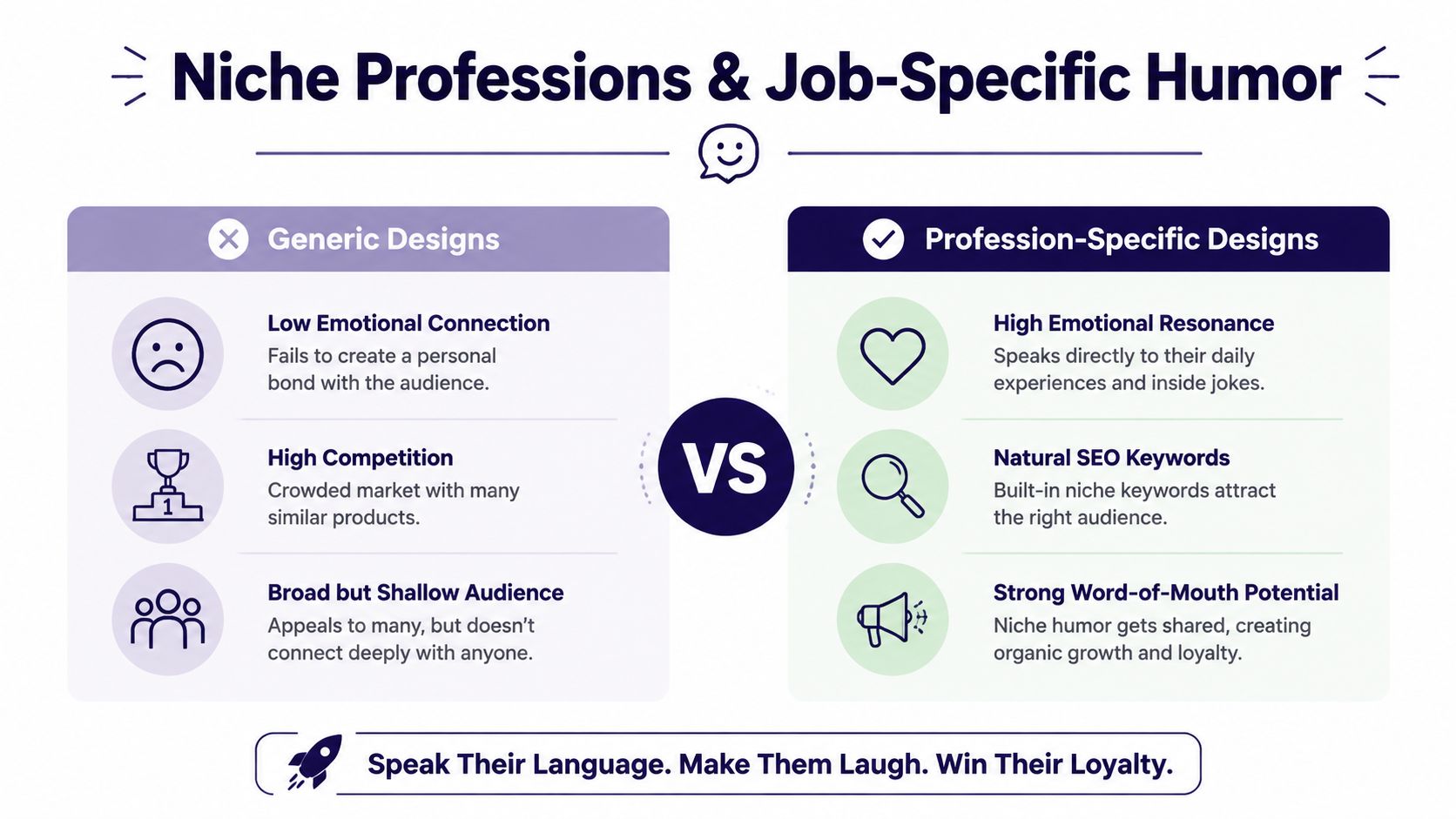
Generic “best teacher ever” products compete with a wide field. A design for a specific work reality, such as sarcastic grading humor for teachers, repetitive-strain jokes for physical therapists, tax-season survival apparel for accountants, or exhaustion-themed gifts for veterinary technicians, gives the buyer a clearer reason to choose it.
The demand signal here is identity. Professionals buy for themselves, colleagues, new graduates, retirement gifts, appreciation events, and workplace celebrations. Competition becomes more manageable when the phrase reflects a real job task or emotional experience instead of merely naming the occupation.
Read the language before designing
Professional Reddit communities, Facebook groups, and industry conversations can reveal the phrases people use when nobody is selling to them. Look for recurring complaints, rituals, abbreviations, and differences between a new graduate and someone with decades of experience.
A new physical therapist may want a playful design about documentation, while a veteran may prefer humor about patient education or repetitive strain. Those are separate buyer contexts, not minor copy variations.
Use Trendlytic to compare profession phrases across Etsy and other POD marketplaces. Check whether bestsellers cluster around apparel, mugs, tote bags, or desk accessories, then inspect the tags attached to those products. Run every promising phrase through the built-in USPTO trademark check before turning community language into a listing title or design.
Expand by role and occasion
Useful product lines can include:
- Career-stage variations: New graduate, mentor, veteran, intern, and retirement designs can serve different moments.
- Gift-focused products: Pair a profession-specific shirt with a mug, sticker, or appreciation card.
- Workplace bundles: Related designs can create a coherent shop collection instead of isolated listings.
An authentic inside joke beats a generic motivational slogan, but only if the joke is understandable to the intended profession and safe to use commercially.
2. Pet Parent Personalization
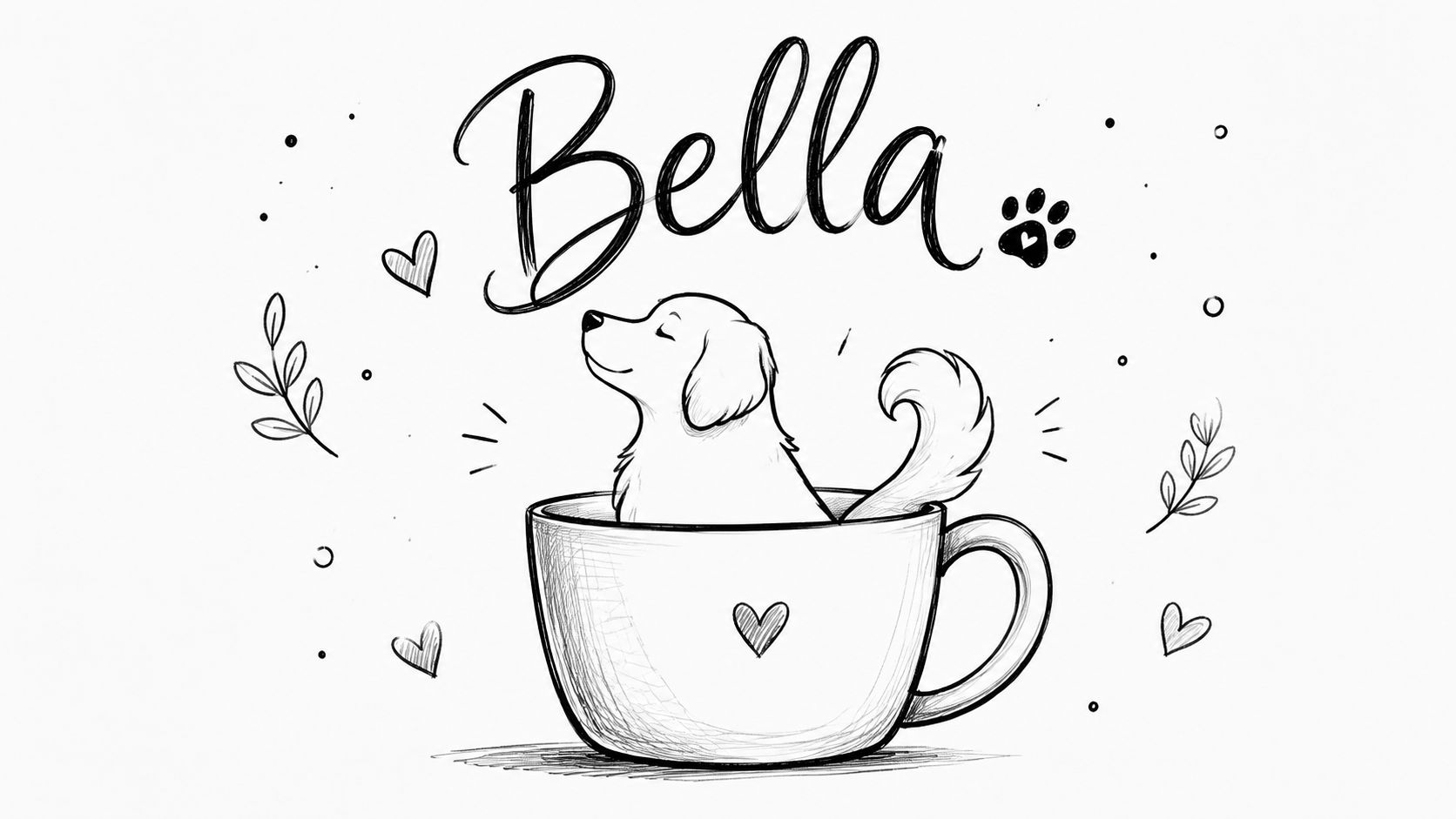
Pet products become more specific when they focus on the owner's relationship with the animal, not just a generic paw print. Custom pet silhouettes with an owner's name, multi-pet household designs, breed-personality humor, and memorial products using names and dates all create stronger buyer intent than “dog lover shirt.”
Personalization can support a higher price position because the buyer isn't selecting a commodity design. They're commissioning something connected to a particular animal or household. The trade-off is operational complexity. Custom orders require clear instructions, reliable proofs, and a process for correcting spelling or image-quality problems.
Combine ready-made and custom products
A practical shop can offer both. Pre-made “Golden Retriever Mom” or “Crazy Cat Household” designs are easier to publish and fulfill, while custom portraits and name-based products provide a more personal purchase path. Keep the customization fields simple, show exactly where names appear, and use mockups that make the finished result easy to understand.
Search variations might include breed, household size, gift recipient, memorial intent, and product type. Trendlytic's Etsy niche research tool can help compare those variations with bestseller evidence across Etsy and other POD marketplaces. I'd use it to identify whether the opportunity is personalization-led or whether the visible demand is concentrated in inexpensive novelty products.
Validate emotional and legal fit
Pet memorial designs need respectful wording and accurate personalization. Breed names are usually descriptive, but breed-club names, slogans, and organizations require a trademark check. Seasonal promotions around adoption events or pet holidays can create timely angles, but the underlying product should still make sense outside the event.
The strongest expansion path moves from one breed or household type into adjacent products, such as shirts, mugs, ornaments, tote bags, and memorial wall art, without losing the original audience.
3. Minimalist Wellness and Mental Health Affirmations
Mental health products can work as quiet identity signals rather than loud declarations. Minimal typography, generous spacing, soft palettes, therapy humor, anxiety-management language, breathwork references, and body-neutral affirmations all give buyers different ways to express wellness without wearing an oversized slogan.
The demand-versus-competition question is especially important here. “Mental health” is broad and heavily interpreted. A phrase connected to a specific practice, such as therapy attendance, grounding routines, or a particular journaling habit, gives you a more useful starting point than a generic affirmation.
Protect the tone
Research therapy communities, including practical guidance on finding low-competition keywords, but don't copy vulnerable personal disclosures into commercial designs. Look for language patterns and recurring needs, then rewrite them into original, respectful product concepts.
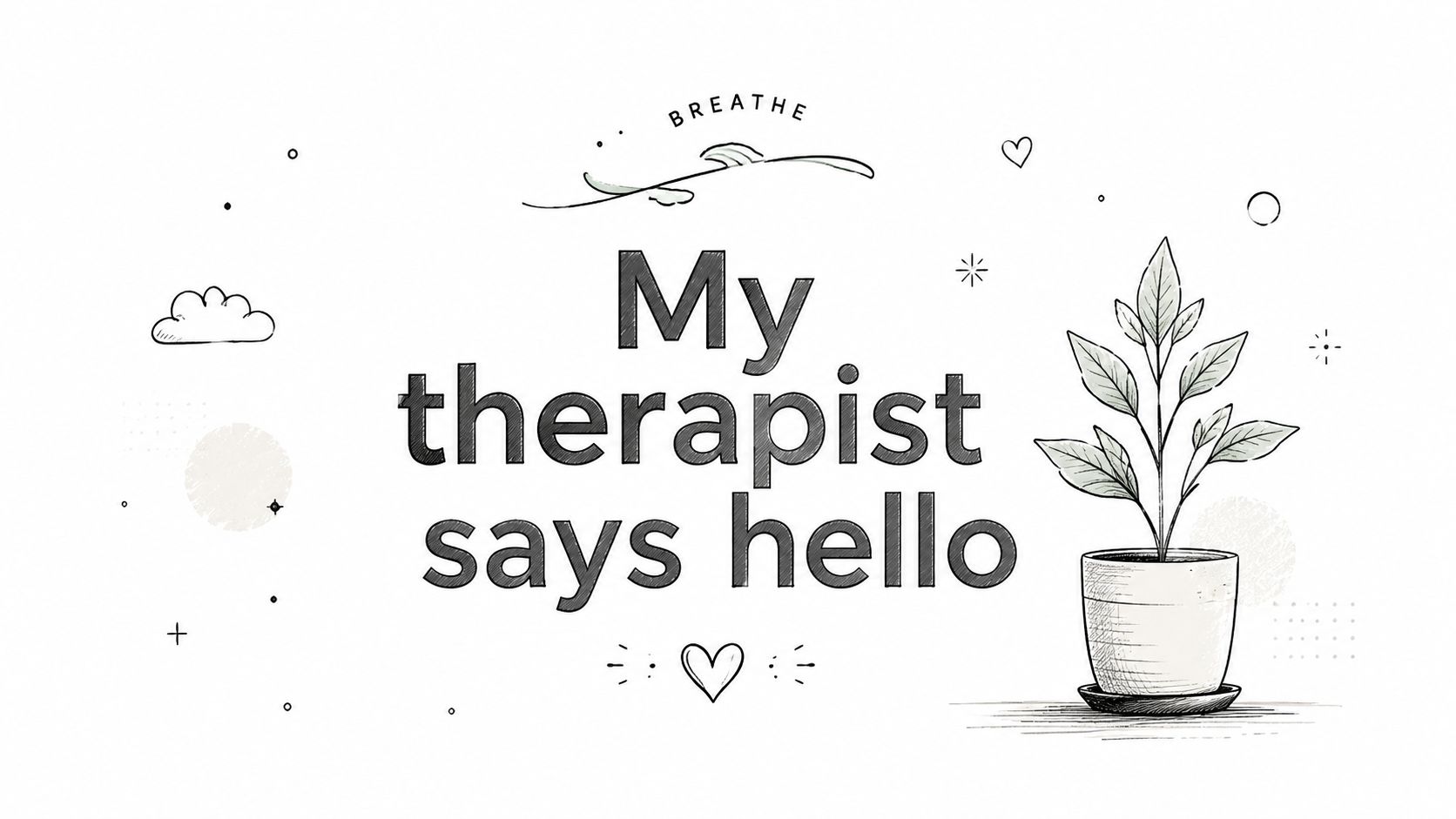
Avoid jokes that minimize serious conditions or suggest that a product replaces professional care. A minimalist “My therapist says hello” design can be light without pretending treatment is simple. Body-neutral and self-compassionate language can also broaden the product line beyond diagnosis-based messaging.
Build for personal use and gifting
A buyer may purchase an affirmation shirt for themselves, a therapy-themed mug for a friend, or a calm desk print for a home office. That makes product fit broader when the design remains understated.
Use Trendlytic to compare phrases across Etsy, TeePublic, Amazon Merch, and Redbubble, then examine whether page-one listings look interchangeable. Check organization names, therapy programs, and recognizable campaign phrases through the built-in USPTO database. A clean design with safe original wording is more durable than one built around a borrowed institutional phrase.
4. Niche Hobby Communities and Subcultures
Passionate hobbyists recognize details that casual buyers miss. Board-game mechanics, tabletop role-playing humor, analog photography, vinyl collecting, geocaching, model building, and miniature painting all contain language that can separate an authentic design from a generic “I love gaming” product.
The opportunity often sits in the behavior around the hobby. A D20 joke about campaign preparation, a vinyl design about record-cleaning rituals, or a miniature-painting shirt about color choices speaks to an activity people practice repeatedly. A broad category label rarely does that.
Learn the community vocabulary
Join relevant Discord servers, subreddits, and Facebook groups before designing. Pay attention to what beginners ask, what experienced members tease each other about, and which products appear naturally in conversations. That research helps you choose between beginner-friendly humor and designs meant for competitive or highly technical participants.
Trademark exposure is a serious constraint. Game titles, brand names, character names, and logos can create problems even when a phrase seems culturally common. Keep the concept original, and use Trendlytic's USPTO check before publishing any phrase that resembles a game or product brand.
Match products to the ritual
A hobby design can extend beyond shirts:
- Tabletop products: Mugs, stickers, tote bags, and game-night gifts.
- Collector products: Wall art, storage labels, and display accessories.
- Skill-level variants: Beginner, regular player, organizer, painter, or competitive versions.
Trendlytic's print-on-demand niche research guide can help compare whether a phrase has traction across Etsy and other POD marketplaces. I'd still inspect Etsy's page one manually, because a low result count isn't useful if every listing already has stronger photography, reviews, and a recognizable creator.
5. Regional and Local Pride
A city skyline is easy to copy. Local humor is harder because it depends on lived experience. Pacific Northwest rain culture, Southern sweet-tea and humidity jokes, Midwest references such as Minnesota Nice or Wisconsin cheese, Texas size humor, and Northeast porch-yell culture can all become more distinctive when paired with specific foods, weather, landmarks, or slang.
The demand signal comes from recognition. Residents want something that sounds like home, while visitors often want a souvenir that feels more personal than a standard flag or skyline. Gifts add another use case, especially for people who have moved away.
Separate residents from visitors
A resident may appreciate an understated design that only locals understand. A visitor may prefer a clearer reference to a neighborhood, food, or landmark. Those audiences can share a place but need different design language and product photography.
Research regional subreddits and local Facebook groups to hear how people speak. Then inspect Etsy listings for repeated phrases and visual styles. A place name alone may be crowded, while a specific weather complaint or food ritual could offer a more focused entry point.
Check local ownership issues
Tourism boards, city campaigns, sports teams, and local events may own names or slogans. Run those phrases through the USPTO database before using them in artwork, tags, or titles. Avoid implying official affiliation when you're selling independent local humor.
Expansion can follow geography or behavior. A Pacific Northwest rain design might lead into hiking, coffee, commuting, or dog-walking products. A Midwest concept might expand into seasonal weather, local food, or moving-away gifts. The key is to preserve the insider voice instead of turning the shop into generic state merchandise.
6. Life Stage and Relationship Milestone Humor
Life transitions create specific buying moments, but polished motivational language often misses the buyer's actual mood. New-parent exhaustion, empty-nest freedom, first-apartment chaos, graduation uncertainty, newlywed disorder, and the awkwardness of becoming a homeowner all offer more relatable material than a generic “new chapter” print.
A design such as “I have a degree and no idea what I'm doing” speaks to a recognizable transition. A broken-house version of “This is fine” can work for first-time homeowners, while a playful “Untie the knot” concept may appeal to someone marking a divorce. The language needs care because not every milestone is joyful.
Design around the moment
Product timing matters. Graduation, wedding season, back-to-school periods, anniversaries, and new-parent gifting all create natural reasons to shop. Build designs for the recipient and the gift-giver, because a spouse, friend, parent, or coworker may be the person searching.
Use communities such as parenting forums and relationship groups to understand how people describe the transition. Don't turn private pain into a punchline without considering context. Irreverent humor works best when it acknowledges the messy reality without attacking the buyer.
Create connected collections
A single design can become a small product family:
- New-parent line: Shirts, mugs, ornaments, and milestone prints.
- Empty-nest line: Home accessories, gifts between partners, and celebratory apparel.
- Graduation line: Apparel, desk products, and gifts for different degree paths.
Specific organization names, programs, and event phrases require trademark screening. The safest expansion path uses original humor tied to the life event itself, then adds personalization such as names, dates, or relationship stage.
7. Eco-Conscious and Sustainable Living
“Eco-friendly” is too broad to guide a product line. Buyers who practice zero-waste living, composting, upcycling, plastic reduction, thrift culture, or food preservation often respond more strongly to language that reflects the behavior itself.
A “Compost Queen” design, a thrift-culture statement, or humor about carrying reusable containers has a clearer audience than a generic green leaf graphic. The competition test is whether the phrase attracts practitioners, not whether it merely sounds environmentally positive.
Earn trust through accuracy
This audience may investigate materials, fulfillment, packaging, and production claims. If your POD supplier doesn't support a sustainability statement, don't make it. Be specific about what you know, avoid vague green language, and make the product's environmental message consistent with the actual item.
Participate in practitioner communities such as zero-waste and composting groups to learn ordinary language. Partnering with sustainability creators or local refill shops can help with credibility, but only when the relationship is genuine. A seller who treats the audience as a trend may produce attractive designs that fail scrutiny.
Choose practical product formats
Apparel works for identity-led humor, while tote bags, kitchen prints, labels, stickers, and gifts can support the daily practice. A design that works for personal use and for someone starting a habit has more expansion room than a one-off slogan.
Check environmental organizations, programs, and campaign names through the USPTO database. Then compare Etsy listings with Trendlytic across other POD marketplaces to see whether the phrase is specific to Etsy or already saturated elsewhere. The right niche can be narrow, but it still needs a real behavior behind it.
8. Pet Breed and Animal Behavior Stereotypes
This niche differs from personalized pet-parent products because the buyer is purchasing recognition of a behavior. Husky owners understand escape attempts and dramatic vocalization. Chihuahua owners may relate to small-dog bravado. Cat owners recognize the contrast between feline independence and dog-like attachment.
The best designs use a real trait as the joke instead of relying on a cute animal illustration. “Send help and treats” can work for a specific breed context, while exotic pet owners may respond to humor about tarantulas, snakes, axolotls, or bird personalities.
Go beyond the obvious breeds
Popular breeds attract attention, but they also attract competitors. Lesser-known breeds, mixes, rescue animals, and species-specific communities can offer more focused angles. Join breed groups and rescue communities to understand which traits owners celebrate and which stereotypes they find insulting.
Search variations should include breed, mix, behavior, owner identity, and gift intent. Use Trendlytic to compare the phrase on Etsy, TeePublic, Amazon Merch, and Redbubble, then inspect whether the same visual joke appears repeatedly. If it does, change the viewpoint, product format, or wording rather than making another near-copy.
Keep the humor affectionate
Breed stereotypes should feel like an owner's affectionate confession, not an insult. That matters even more for rescue and mixed-breed audiences, where identity may center on adoption rather than pedigree.
You can extend a successful behavior concept into mugs, decals, tote bags, ornaments, and matching owner-pet products. For another gift-oriented angle, sellers can browse dog lover decals to see how animal identity translates into portable products. Check breed-club names, rescue organizations, and branded phrases before listing.
9. Occupation-Specific Dating and Relationship Humor
Combining two identities creates a useful micro-market. A nurse's partner, a military spouse, an emergency responder's significant other, an artist's partner, or someone dating a scientist may search for a gift that acknowledges both the profession and the relationship.
The demand signal is often occasion-based. Buyers may be looking for Valentine's Day gifts, anniversary presents, proposal-season surprises, wedding-party items, or a gag gift for someone whose work dominates the household conversation.
Make the relationship stage visible
Dating, engaged, married, and long-term partnership designs aren't interchangeable. A nurse-partner shirt for someone newly dating has a different emotional tone from a spouse appreciation gift. Build separate wording and imagery rather than hiding every variation inside one listing.
Professional associations, military units, emergency-service organizations, and recognizable program names may carry trademark risk. Screen phrases through the USPTO database before publishing them. Also avoid implying endorsement or official status when the design is independent.
Use the double audience carefully
The design should make sense to both the professional and the partner. A joke about shift work, call schedules, research habits, or emergency-response routines can feel personal without naming a protected organization.
Trendlytic can compare occupation and relationship phrases across Etsy and other POD marketplaces, revealing whether the visible competition comes from gifts, apparel, or novelty products. Expand only when the first concept proves that the two identities belong together. Related products might include mugs, sweatshirts, cards, and couple gifts, but the audience should remain coherent.
10. Fitness and Sports Performance
Generic achievement messaging is crowded and predictable. Training struggles are more specific. Runners understand GPS-watch arguments and mile-marker jokes. Trail runners know muddy shoes and failed routes. Triathletes have transition-zone and nutrition humor, while climbers recognize fear, grip strength, and the difference between watching a route and climbing it.
This audience has strong community language, but the design still needs to avoid toxic achievement culture. Self-deprecating humor can celebrate participation, failed attempts, and shared suffering without suggesting that only elite performance deserves recognition.
Research the unglamorous moments
Sport-specific Reddit communities, training groups, Strava communities, local clubs, and coaches can reveal the phrases athletes use when they're not posting finish-line photos. Look for recurring equipment frustrations, weather problems, training rituals, and beginner-versus-experienced differences.
Check sport names, team names, race names, equipment brands, and event slogans for trademark concerns. A design about “muddy trail days” is usually more flexible than one built around a branded race or product.
Build around the training calendar
Launch timing can follow training seasons, race calendars, and local club activity. Product formats might include shirts, hoodies, caps, mugs, stickers, and gifts for training partners. A runner concept can expand into trail running or recovery humor, but it shouldn't become a generic fitness catalog.
Use Trendlytic to compare the same idea across Etsy, TeePublic, Amazon Merch, and Redbubble. Then inspect page one for skill level, visual style, and product type. If every listing celebrates speed and medals, a design about bad weather, missed turns, or showing up anyway may occupy a different emotional position.
Comparison of 10 Low-Competition Etsy Niches
| Niche | Implementation Complexity 🔄 | Resource Requirements ⚡ | Expected Outcomes ⭐📊 | Ideal Use Cases 💡 | Key Advantages ⭐ |
|---|---|---|---|---|---|
| Niche Professions & Job-Specific Humor | Medium (profession research & authenticity) 🔄 | Low–Med (design + SEO keyword work) ⚡ | High engagement; evergreen demand ⭐📊 | Etsy shops, professional gifts, career milestones 💡 | High emotional resonance, natural SEO, low trademark risk ⭐ |
| Pet Parent Personalization | Medium (customization workflow & templates) 🔄 | Medium (POD customization tools, variants) ⚡ | High AOV; repeat purchasers and seasonal spikes ⭐📊 | Personalized gifts, premium listings, memorials 💡 | Willingness to pay for personalization; strong repeat value ⭐ |
| Minimalist Wellness & Mental Health Affirmations | Low–Med (careful messaging & tone) 🔄 | Low (typography-focused, POD-friendly) ⚡ | Moderate–High engagement; community trust ⭐📊 | Therapy supporters, everyday wear, Gen Z/millennial audiences 💡 | Meaningful messaging justifies premium; less saturated ⭐ |
| Niche Hobby Communities & Subcultures | High (deep community fluency required) 🔄 | Medium (research + creator partnerships) ⚡ | High loyalty and word-of-mouth within communities ⭐📊 | Collector drops, limited editions, creator collabs 💡 | Highly engaged audiences with long-term commitment ⭐ |
| Regional & Local Pride (Non-Traditional) | Medium (local voice & cultural nuance) 🔄 | Low–Med (many regional variants) ⚡ | Moderate sales; strong gifting potential 📊 | Tourist gifts, resident merchandise, local events 💡 | Low direct competition per region; easy to scale ⭐ |
| Life Stage & Relationship Milestone Humor | Medium (sensitivity & timing) 🔄 | Low (text/design; seasonal campaigns) ⚡ | High seasonal spikes; strong gifting conversions ⭐📊 | Graduations, weddings, new parents, moving milestones 💡 | High purchase intent during transitions; repeat cohorts ⭐ |
| Eco-Conscious & Sustainable Living (Specific Practices) | High (authenticity to avoid greenwashing) 🔄 | Med–High (transparent production, partnerships) ⚡ | Moderate growth; premium loyal customers ⭐📊 | Ethical shops, activist audiences, sustainable gift markets 💡 | Audience willing to pay more; strong brand loyalty ⭐ |
| Pet Breed or Animal Behavior Stereotypes | Medium (breed accuracy & sensitivity) 🔄 | Low–Med (many breed-specific variants) ⚡ | High niche engagement; collectors among owners ⭐📊 | Breed clubs, pet events, online breed communities 💡 | Low trademark risk; scalable across breeds and types ⭐ |
| Occupation-Specific Dating & Relationship Humor | High (must be authentic on two fronts) 🔄 | Low–Med (targeted designs, seasonal promos) ⚡ | Moderate–High engagement; seasonal gift spikes ⭐📊 | Valentine's/anniversaries, partner gifts, novelty items 💡 | Dual-audience appeal increases relevance and shareability ⭐ |
| Fitness & Sports Performance (Challenges vs. Achievement) | High (sport-specific technical knowledge) 🔄 | Medium (athlete partnerships, event timing) ⚡ | High engagement in active communities; repeat buyers ⭐📊 | Race seasons, club merch, training-phase campaigns 💡 | Passionate buyers and strong community promotion ⭐ |
Validate One Niche Before You Scale
The safest way to approach low competition Etsy niches is to treat the first idea as a research project, not a commitment to an entire catalog. Choose one audience, then collect several specific phrases that the audience uses. A profession, hobby, behavior, or milestone should be narrow enough that you can describe the buyer in one sentence.
Next, inspect Etsy manually. Search the exact phrase, related wording, and product-specific variations. Note how many listings appear, whether the first page contains genuine bestsellers, whether the designs look repetitive, and whether the products match what buyers would reasonably purchase. A low result count is not enough if the page has weak demand or no obvious product fit.
Keyword saturation is often discussed using a benchmark where fewer than 10,000 results is considered low competition, 10,000 to 50,000 medium, 50,000 to 200,000 high, and more than 200,000 very high, as described in Etsy keyword competition guidance. Treat that as a screening framework, not a guarantee. Another practitioner benchmark uses fewer than 5,000 active listings for the main keyword, while warning that fewer than 1,000 monthly searches may be too thin. The broader operating range described by niche researchers is 1,000 to 50,000 monthly searches, fewer than 10,000 active competing listings, and stable or rising demand across 90 days, but these thresholds still need current verification in the marketplace.
Compare scarcity with monetization
A niche can be rare and still be commercially weak. Some niche-research guidance scores opportunities on a 0 to 100 scale while pairing competing-listing counts with average selling prices. Examples in that research include result sets of 52 to 66 listings with average prices from about $12 to $100, showing why scarcity and price need to be evaluated together. A small result set with a sub-$15 average selling price may offer less room than a focused product priced between $25 and $75, especially after fees, advertising, and testing costs. These figures come from published Etsy niche opportunity research, and they're best used as comparison points rather than promises.
For POD sellers, Etsy charges a $0.20 USD listing fee each time a listing is created or renewed, and Etsy.com listings expire after four months, according to Etsy's fee policy. Editing a listing doesn't trigger that fee, but automatic renewal can charge it again. Account for this while testing designs, particularly when a niche requires many variations.
Check ranking and legal readiness
Etsy says search ranking considers conversion-focused signals and customer-service quality, including a shop's average review rating, message response rate, and case rate from the past three months, as explained in Etsy's search guide. Etsy also says great reviews and an About section may help search ranking, while intellectual-property issues can hurt discoverability, as outlined in its getting found guidance.
Ads don't purchase a better organic position. Etsy explicitly says it doesn't give sellers higher organic search ranking in exchange for compensation or fees, so paid promotion shouldn't substitute for a strong listing, clear product fit, and reliable customer service, as stated in Etsy's search advertising policy.
Run every phrase through Trendlytic's built-in USPTO trademark lookup before design production. Then launch a small, coherent product set rather than an unfocused catalog. Record the strongest tags, price ranges, formats, visual gaps, and unanswered buyer questions. That record becomes more useful than a vague feeling that a niche is “promising.”
Trendlytic's hourly Trending Now rankings can help surface timely signals, while automated Niche Discovery can suggest related keywords after the original concept is clear. I wouldn't use those features to expand randomly. Start with one audience, learn what the buyer responds to, and only then test adjacent ideas.
For broader operating guidance, these print-on-demand marketing tips can complement the niche research process. The practical goal isn't to find a phrase nobody has ever used. It's to find a specific buyer, a defensible design angle, a product that fits the moment, and enough evidence to justify a careful test.
Trendlytic reviews live bestseller data across Etsy, TeePublic, Amazon Merch, and Redbubble, then provides niche, competition, pricing, tag, and design signals alongside a USPTO trademark check. If you want to reduce manual cross-market research while evaluating a focused Etsy idea, explore Trendlytic and use the findings as evidence for your next small, deliberate test.