Best Niche for Merch by Amazon: 10 Ideas
Popularity isn't the same as opportunity. The best niche for Merch by Amazon isn't automatically the largest category, the loudest trend, or the phrase with the most search activity. A useful niche combines a recognizable buyer identity, evidence of purchase intent, manageable competition, flexible design angles, and a legal review you can complete before uploading.
I rank the ten niches below by practical opportunity, not broad popularity. Each receives an indicative Opportunity Score based on audience intent, competition, design flexibility, trademark exposure, and validation effort. It isn't a sales forecast. A niche can score well and still fail if the listing, artwork, timing, or account position is weak.
Trendlytic can shorten the research process by comparing live bestseller data across Amazon Merch, TeePublic, Redbubble, and Etsy, reviewing validated designs and tags, and checking phrases against the USPTO trademark database. I'd still treat the tool as evidence, not a guarantee. Generic decade, profession, hobby, and lifestyle angles are generally safer starting points than protected brands, titles, names, logos, or likenesses.
The rankings favor niches that are searchable and repeatable. That matters because independent Merch guidance recommends looking for at least some products under BSR 100,000 and fewer than 200 competing designs for a target keyword, rather than relying on interest alone (Merch Titans' niche-selection guidance).
Table of Contents
- 1. Niche Professions and Job Titles
- 2. Hobby and Passion Communities
- 3. Pet Owner and Animal Lover Merchandise
- 4. Mental Health Awareness and Self-Care
- 5. Retro and Nostalgia Design
- 6. Fitness and Gym Culture
- 7. Parenting and Family Life Humor
- 8. Book and Reading Culture
- 9. Niche Music Genres and Fan Communities
- 10. Location and Regional Pride
- Top 10 Merch by Amazon Niche Comparison
- Choose the Niche You Can Validate Carefully
1. Niche Professions and Job Titles
Opportunity Score: 8.7/10
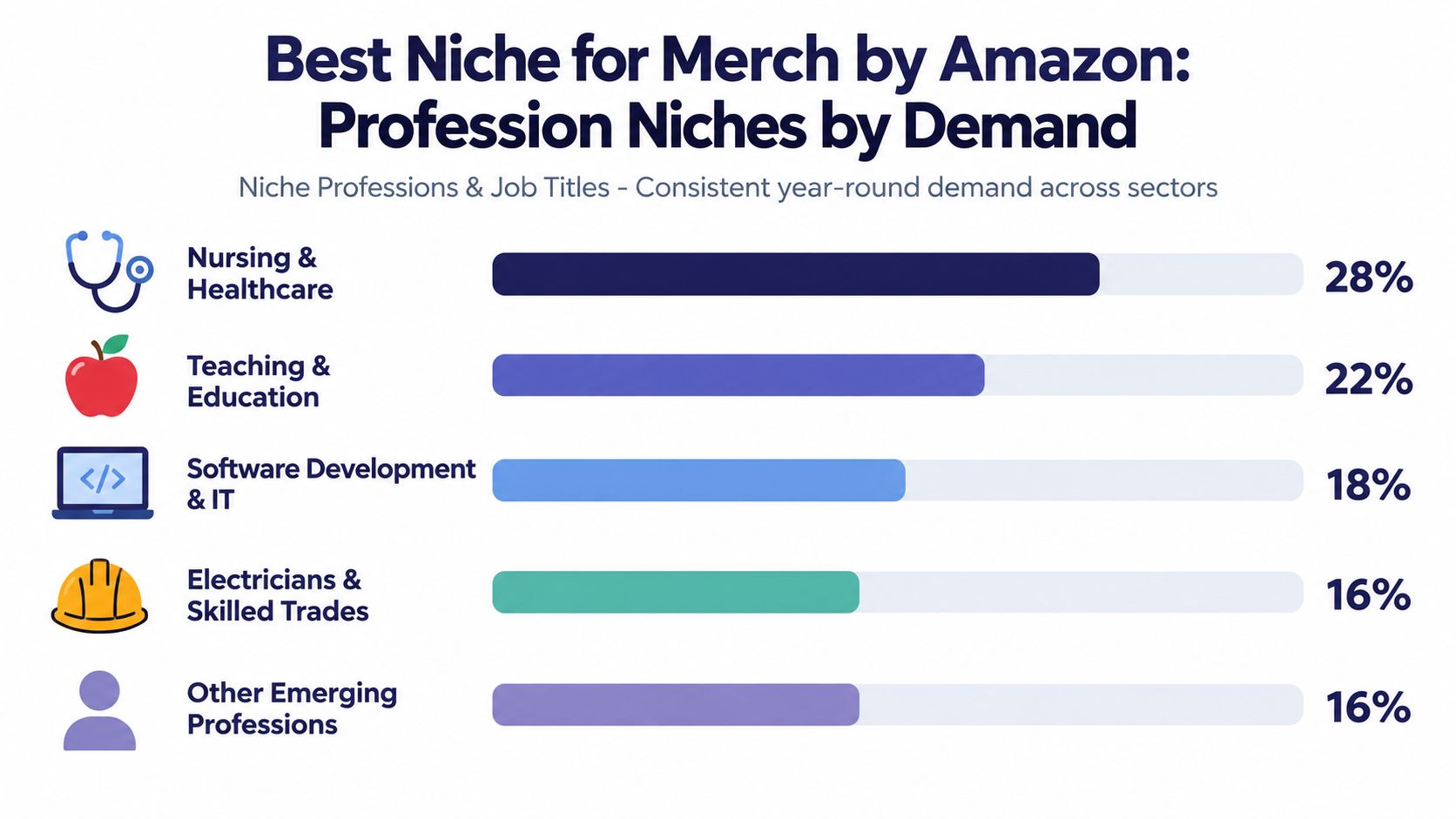
Profession-specific merchandise benefits from a clear buyer identity. Nurses, electricians, software developers, teachers, mechanics, and other workers share routines, terminology, frustrations, and communities that can support apparel concepts. A shopper seeking a gift for a particular profession also shows clearer purchase intent than someone browsing a broad phrase such as “funny shirt.”
Demand alone does not make a profession attractive. Broad terms such as “nurse shirt” and “teacher design” are often crowded, so I would test a narrower combination of role, workplace reality, and audience. Examples include a nurse's shift-work humor, a developer concept based on optimization or software bugs, or an electrician design using wiring, tools, and safety references. These angles create more room for original artwork than repeating a job title in generic typography.
Narrow the role before designing
I would search the exact profession and related combinations on Amazon, then compare bestseller visibility, wording, design styles, and whether established brands dominate the results. Trendlytic's guide to finding niche keywords can help expand a broad title into more specific keyword combinations.
Trademark screening should come before artwork. Check healthcare organizations, certifications, slogans, named programs, and recognizable symbols through the USPTO trademark search system, including its image-search function when the concept relies on visual identification.
- Use lived details: Shift work, paperwork, tools, classrooms, and software bugs can produce more credible designs than generic motivation.
- Test adjacent roles: Compare specialties, seniority levels, workplaces, and gift occasions.
- Check momentum carefully: Trendlytic's Trending Now rankings may reveal professional groups receiving attention, but a spike still requires competition and trademark review.
The category ranks highly because professional identity supports repeatable product ideas. Saturation remains the main constraint. Specific language, original design treatment, and a clean legal check determine whether apparent demand represents practical opportunity.
2. Hobby and Passion Communities
Opportunity Score: 8.5/10
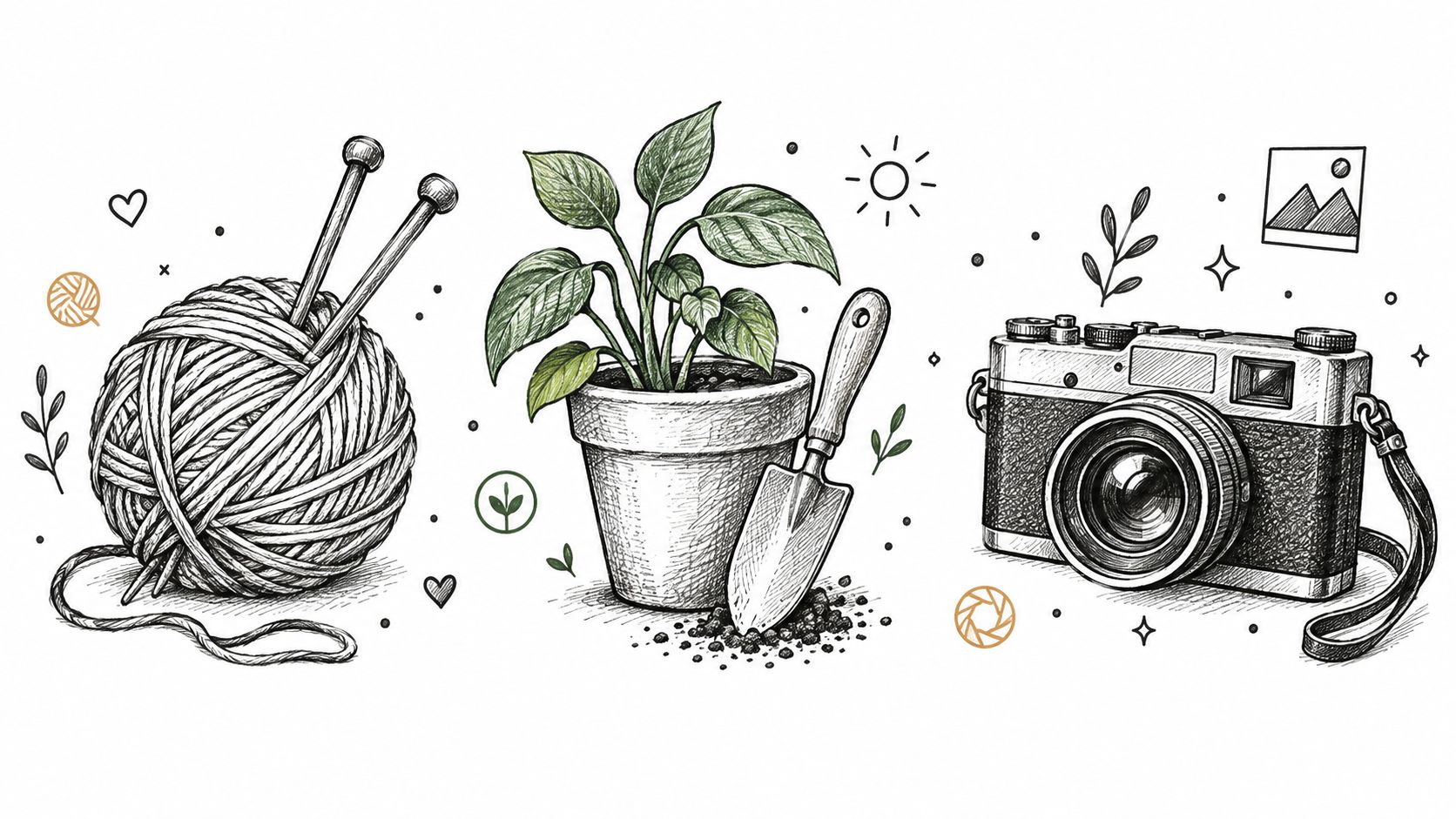
Hobbies create unusually clear communities. Knitters, gardeners, photographers, board gamers, woodworkers, anglers, and tabletop players often recognize specialized terminology and enjoy wearing references that outsiders won't understand. That gives designers more room than generic “funny” apparel.
A knitting phrase such as “I knit so I don't hurt people” can work because the humor depends on the hobby. “Plot twist” with gardening imagery uses a familiar expression while remaining broadly understandable. Photography allows visual wordplay such as “I shoot people,” provided the camera context is unmistakable. Board gaming offers another route through character archetypes, game-night habits, and recognizable table dynamics.
Follow the community's vocabulary
I'd spend time in relevant Reddit communities, Facebook groups, and hobby forums before writing slogans. The best design angle often comes from a recurring annoyance, a tool preference, or an insider phrase rather than from the hobby label itself.
Trendlytic's Niche Discovery can surface related terms with less obvious competition. I'd also compare designs on Amazon Merch, TeePublic, and Etsy, looking for concepts that show buyer interest without copying artwork, wording, or protected game references. The USPTO trademark center is the appropriate starting point for clearance.
Practical rule: If you can't list several distinct jokes, visual treatments, and audience subgroups, the niche may be a keyword rather than a workable product line.
The opportunity is strongest where the hobby is specific enough to create belonging but broad enough to support multiple designs. Brand-owned games, equipment names, and event names can quickly increase legal exposure, so generic hobby culture is usually the more durable path.
3. Pet Owner and Animal Lover Merchandise
Opportunity Score: 8.2/10
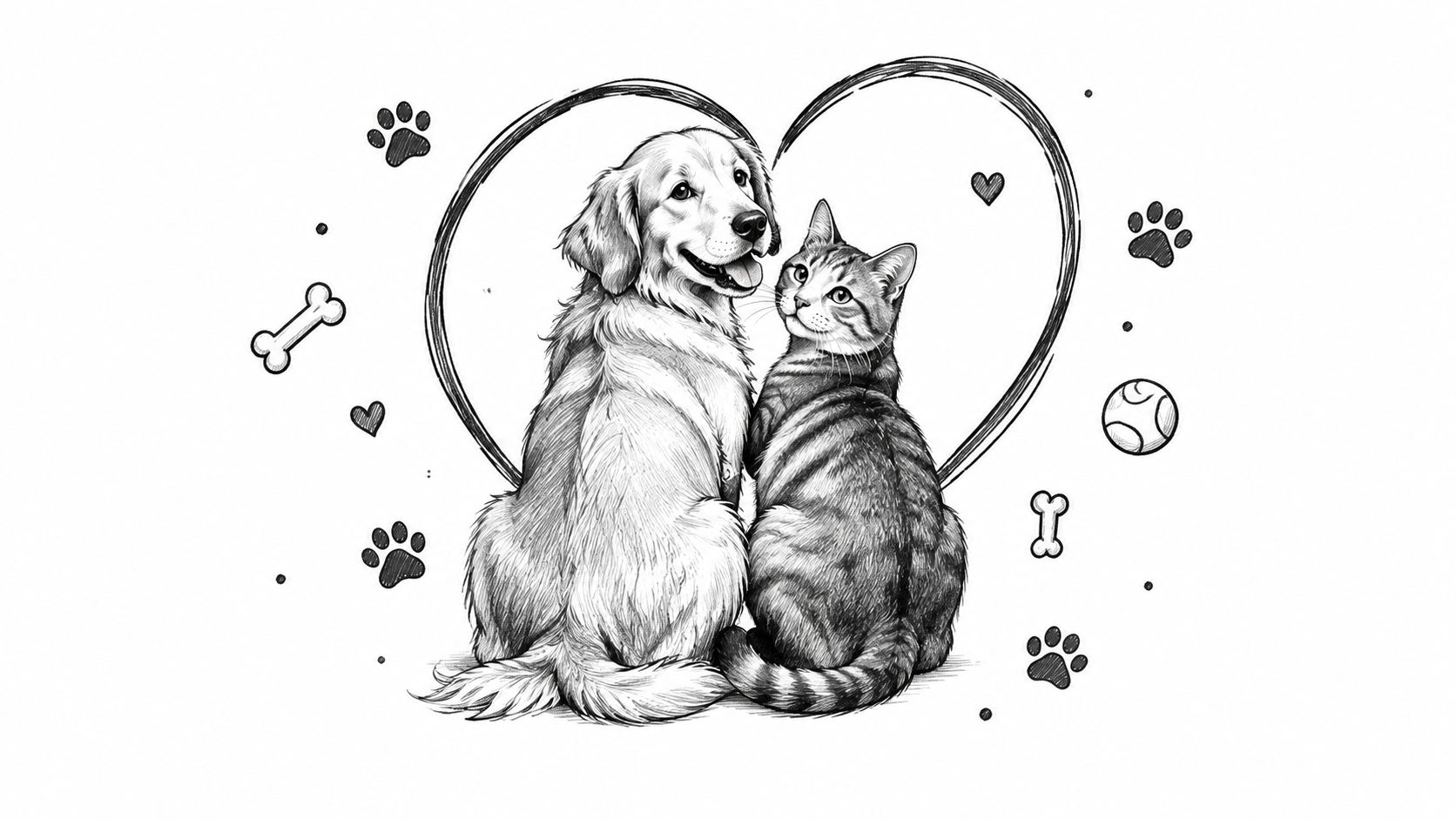
Pet apparel combines emotional attachment with visible identity. A buyer may wear a breed reference, a rescue message, or a joke about cat behavior because the design communicates something personal. The audience also stretches across ages and lifestyles, which gives the category breadth without requiring a single demographic profile.
The practical opportunity isn't necessarily “dog shirts” or “cat shirts.” It can be a particular breed, a mixed-breed identity, an unusual pet, or a behavior that owners recognize immediately. Examples include golden retriever humor, “I have cat hair, don't care,” dog-parent designs with breed silhouettes, and rescue advocacy that avoids copying a charity's protected branding.
Separate the animal from the brand
Research breeds individually rather than treating every dog owner as one audience. A dachshund owner may respond to different language than a greyhound owner, while a rescue adopter may prefer advocacy over breed humor. Trendlytic's low-competition niche research guide can help compare smaller pet segments across marketplaces.
Be careful with breed clubs, rescue organizations, influencer names, and distinctive logos. A common animal name isn't automatically safe in every commercial context, and a design can create problems through its combination of wording and imagery.
- Check the buying context: Pet apparel can serve personal use, adoption events, gifts, or seasonal occasions.
- Use original silhouettes: Avoid lifting recognizable artwork or logos from breeders, shelters, or social accounts.
- Read the listing language: Amazon bestsellers can show whether buyers prefer “mom,” “dad,” “parent,” “owner,” or a breed-specific identity.
The niche ranks highly because the emotional connection supports many design directions. Its limitation is obvious saturation around “dog mom” and “cat mom,” where narrower animals, behaviors, and communities offer a more realistic entry point.
4. Mental Health Awareness and Self-Care
Opportunity Score: 7.8/10
Mental health and self-care merchandise has clear identity and gift potential, but its practical opportunity depends on language, audience boundaries, and trademark exposure. Buyers may seek a personal affirmation, such as “I'm not okay but I'm getting there” or “Rest is productive,” while others want a visible statement of support. Those motives create several design paths, although the subject requires more judgment than a novelty slogan.
The strongest concepts usually name a specific experience: anxiety, therapy, burnout, rest, or recovery. Humor can fit when it reflects community experience without dismissing the issue. “Anxiety is just my personality on turbo” may suit one audience, whereas a direct affirmation may better serve buyers looking for encouragement. Generic positivity is easier to produce, but specific routines, therapy references, and recovery language give a design clearer positioning.
Validate tone before designing
I would read relevant mental health subreddits and support communities before selecting wording. These discussions can show whether a phrase sounds familiar, supportive, overly clinical, or trivializing. Audience reaction matters because a concept that seems clever to an outsider may be rejected by people who live with the issue.
Trademark screening should cover organization names, campaigns, awareness terms, and institutional phrases. Trendlytic's trademark workflow compares a phrase against 850,000+ active USPTO trademarks; the official database is still needed to investigate ownership and status.
- Separate support from diagnosis: Do not imply that apparel can treat or solve a condition.
- Test humor by audience: Dark humor may be accepted within one community and rejected by another.
- Check marketplace evidence: Review competing listings for recurring wording, design gaps, and signs of saturation.
- Keep the design original: Use distinct typography and imagery rather than borrowed campaign symbols.
The niche can rank well for emotional relevance, but limited audiences and tone risk lower its practical score. Respectful specificity offers a more defensible opportunity than attention-seeking claims.
5. Retro and Nostalgia Design
Opportunity Score: 7.4/10
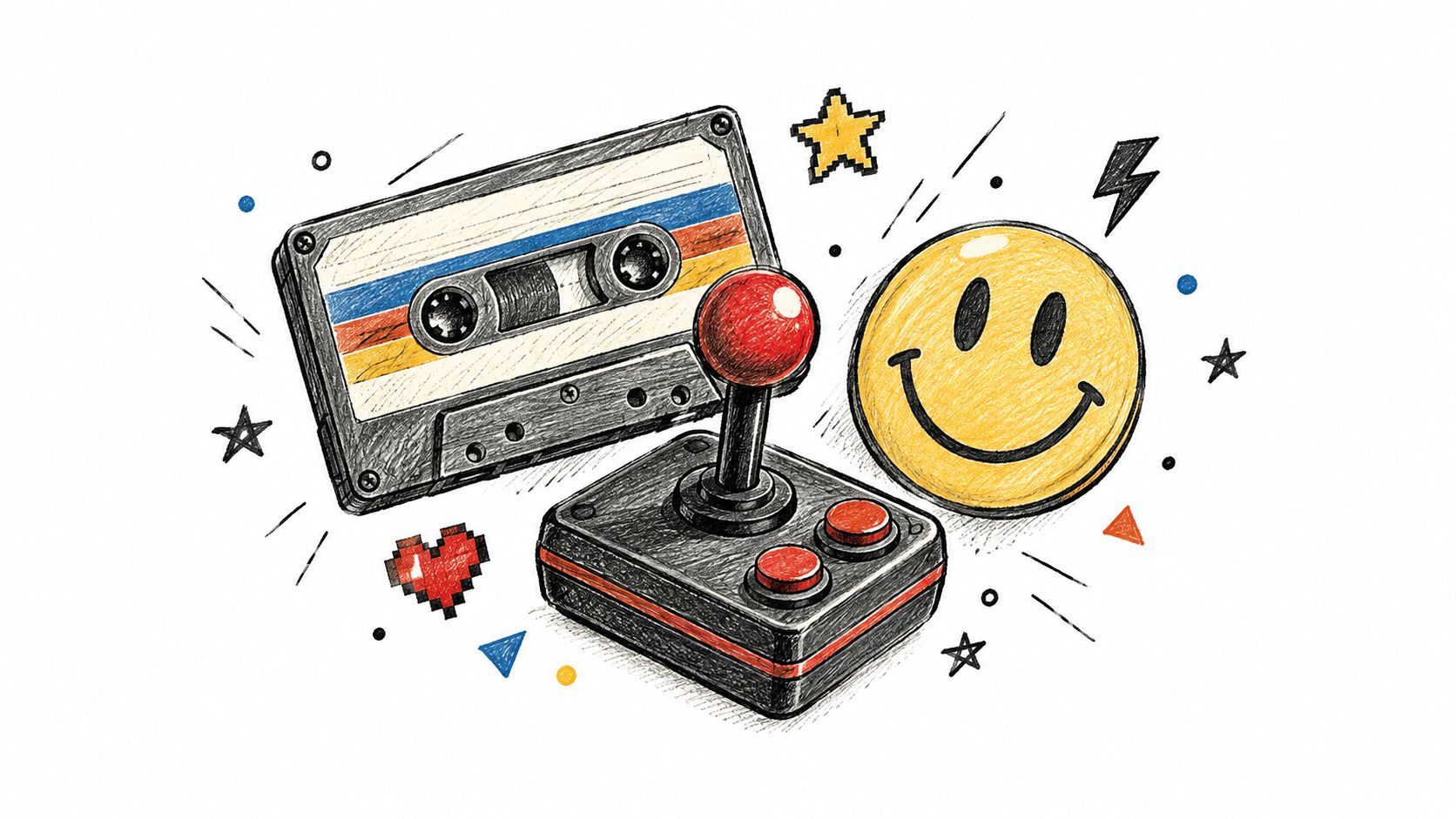
Nostalgia has clear visual demand, yet its practical opportunity depends on distance from recognizable intellectual property. The stronger entry point is a generic era rather than a specific entertainment property, brand, character, product, or quotation. Cassette tapes, arcade-inspired controls, Y2K technology, synthwave palettes, and early internet references can communicate the period without naming a protected asset.
A 90s-inspired design can signal a generation through period typography and everyday objects. Y2K concepts can use translucent interfaces and compact technology motifs. Arcade designs can suggest the medium with generic controls and pixel-inspired layouts instead of reproducing a particular game.
Test the concept before drawing
I would begin with marketplace searches for the proposed phrase, era, and visual theme. Trendlytic can compare related demand signals and live marketplace listings, while Amazon results reveal recurring slogans, dominant styles, review activity, and gaps in execution. A promising idea needs enough audience specificity to avoid competing only on a familiar aesthetic.
Trademark screening should cover every named property, slogan, brand, and character. Use the official USPTO search process to investigate exact terms and possible image conflicts, then inspect the artwork separately for logos, trade dress, or distinctive character shapes.
- Favor era signals: “90s kid” and generic Y2K styling generally create less exposure than a named show or product.
- Write original wording: Short quotations may still identify a protected property.
- Create distinct artwork: Rework typography, composition, and symbols rather than imitating a recognizable design system.
The niche earns a solid score because nostalgia supports identity and visual self-expression. It remains below the highest-ranked opportunities because obvious concepts face heavy competition, while property-adjacent designs increase trademark and copyright exposure.
6. Fitness and Gym Culture
Opportunity Score: 7.2/10
Fitness merchandise has clearer commercial potential when it serves a defined training identity. Powerlifting, running, yoga, bodybuilding, CrossFit culture, and general gym humor use different vocabulary and attract different buyers. “Deadlifts before deadlines” targets a specific lifestyle, while “My only cardio is running from my problems” reaches a broader audience through self-deprecating humor.
The strongest design angles connect exercise with another part of daily life, such as work, family, food, recovery, or personality. Yoga can emphasize mindfulness and flexibility. Running can address weather, race preparation, or the conflict between discipline and reluctance. These combinations create more specific concepts than generic motivation.
Compare subcultures before committing
Research each training community separately. Review Amazon results and other POD marketplaces for brand dominance, repeated slogans, review activity, and gaps in design quality. Named systems such as CrossFit require trademark screening. Generic references to movements, equipment, or training habits usually offer more room, but the artwork and wording still need review.
Trendlytic can compare emerging fitness keywords with live marketplace listings. I would validate a candidate by checking whether the same audience language appears across listings, gym communities, influencer discussions, and seasonal searches. Social attention alone is weak evidence if buyers cannot be found through marketplace results.
- Use authentic details: Equipment, routines, and familiar frustrations provide stronger signals than empty slogans.
- Keep claims modest: Avoid medical promises and guaranteed-performance language.
- Plan around timing: New Year motivation and summer fitness themes may bring seasonal interest, while demand durability still requires testing.
Fitness offers strong identity and flexible design directions. It ranks in the middle because broad gym humor is crowded, while branded training communities add trademark exposure and narrower audience limits.
7. Parenting and Family Life Humor
Opportunity Score: 7.0/10
Parenting humor has broad recognition, but that reach can conceal heavy saturation. Buyers often respond to familiar pressure points such as poor sleep, tantrums, school logistics, sibling conflict, and the gap between ideal plans and daily routines. The strongest concepts usually identify a specific family stage or caregiving role rather than addressing every parent at once.
Gift demand broadens the audience. A product may target a new parent, a tired parent, a parent of toddlers or teenagers, a grandparent, or a foster caregiver. Those audiences overlap, yet their vocabulary and buying occasions differ.
A useful validation test starts with the buyer's situation. I would compare Amazon results, other print-on-demand marketplaces, and parenting-community language for repeated slogans, review activity, design quality, and gaps. Trendlytic can help compare search interest and screen candidate phrases, while marketplace evidence shows whether that interest connects with products people find and buy. I would also check trademarks before developing wording that resembles a known show, brand, or organization.
Design specificity can improve the practical opportunity:
- Name the scenario: School runs, bedtime, newborn routines, and teenage independence support separate collections.
- Match the speaker: Parents, grandparents, siblings, and caregivers use different language and may buy for different occasions.
- Control the tone: Affectionate observations often travel better in public than jokes that sound hostile toward children.
- Review family terms: Mom, dad, grandparent, and caregiver references should not imply interchangeable roles.
Dark humor needs particular judgment. “Coffee, because murder is illegal” may be recognizable, but its familiarity and aggressive framing limit differentiation. Parenting ranks above narrower identity niches for audience breadth and gifting, yet below less crowded opportunities because visible phrases are repeatedly copied. Specific community language, original artwork, and trademark screening determine whether the score is practical rather than merely popular.
8. Book and Reading Culture
Opportunity Score: 6.9/10
Book-related merchandise has a clear identity signal, but its practical opportunity depends on how far a design stays from protected publishing properties. Broad reader language can reach many buyers, while fantasy, mystery, romance, and literary themes offer narrower communities with more specific preferences.
The safer design territory describes reading behavior or genre culture. Books, libraries, dragons, reading late, and collecting novels can support original concepts. Naming a title, author, series, character, logo, or recognizable quotation changes the risk profile, even when the wording seems short or ordinary.
Validate the reader identity
I would compare BookTok discussions, Goodreads communities, Amazon search results, and genre conversations for repeated language, review activity, design quality, and unmet themes. Trendlytic can screen candidate phrases and compare search interest, while marketplace evidence shows whether readers encounter and buy related products. I would then check the complete design context, not only the slogan, through trademark databases and marketplace review.
A practical design set could include:
- Use genre signals: Fantasy, romance, mystery, and literary reading create distinct visual and verbal territory.
- Build original artwork: An open book or library motif is less exposed than a treatment that imitates a recognizable cover.
- Separate reader identities: “Bookworm,” “bookish,” genre labels, and reading habits suggest different audiences and should not be treated as interchangeable.
- Avoid property clues: Author names, book titles, series references, character names, logos, and familiar quotations can point directly to protected works.
The audience is credible because readers describe themselves through visible habits and preferences. Saturation remains a constraint for generic book jokes, while trademark exposure raises the cost of developing concepts tied to famous works. I would rank this niche above highly restricted fandoms, but below opportunities with broader design freedom and less publishing-rights risk.
9. Niche Music Genres and Fan Communities
Opportunity Score: 6.6/10
Music clothing can signal belonging quickly, yet named-artist merchandise carries substantial exposure. Band names, logos, lyrics, photographs, and recognizable likenesses may involve trademark, copyright, or publicity-rights concerns. Genre culture offers more room for original concepts, although audience size and competition differ across metal, punk, indie rock, electronic music, and hip-hop.
The strongest design direction is a scene reference rather than a performer reference. Heavy typography and genre imagery can suggest metal without naming a band. Punk can use an original DIY poster sensibility without copying a flyer. Electronic concepts may draw on abstract sound, festival energy, or producer-adjacent language while avoiding artist identities.
Test scene language before designing
I would review genre subreddits, Discord communities, event discussions, and marketplace results for recurring phrases that describe the community. Trendlytic can compare candidate terms and search interest, while Amazon Merch and other marketplace evidence helps separate active demand from designs that merely look appealing. Festival timing may indicate rising interest, but event names and artist lineups create additional clearance risk.
The Merch by Amazon trademark protection guide can support an initial review of band names, artist names, and recurring phrases. I would then check the USPTO database and assess the complete design, including its wording, symbols, and visual references.
- Use genre aesthetics: Typography, instruments, symbols, and lifestyle cues can communicate a scene without copying an act.
- Avoid lyrics: Even a short lyric may create copyright or trademark concerns.
- Check likenesses: Artist photographs and recognizable portraits require permission.
This niche combines strong identity with substantial visual freedom, but its legal risk keeps the score moderate. Genre culture is the practical opportunity. Merchandise for a named artist is usually unsuitable without rights.
10. Location and Regional Pride
Opportunity Score: 6.4/10
Location merchandise serves several buyers with different motives: residents express belonging, former residents preserve memory, visitors purchase souvenirs, and gift buyers choose a place connected to someone else. That range creates demand, but broad place names also bring heavy competition.
“New York” illustrates the problem. The term covers tourists, residents, neighborhoods, sports associations, professions, and a large volume of existing designs. A narrower concept, such as a New York lawyer, an Austin tech worker, or a neighborhood phrase, gives the design a clearer audience and search intent.
Specificity matters more than geographic size
I would compare major cities with smaller communities rather than assume the largest market offers the best opportunity. Trendlytic can compare location terms across Amazon Merch, TeePublic, Redbubble, and Etsy, while its trademark check identifies names requiring closer review. Marketplace results can then show whether local phrases appear repeatedly, attract relevant engagement, or sit within an overcrowded field.
The practical advantage often comes from combining place with identity. A profession, hobby, family role, regional dialect, or local humor can create a design angle residents recognize without relying on a generic souvenir message. I would test several variations, review competing listings, and check whether the phrase reflects language used by the intended community.
Landmarks require separate clearance work. Names, silhouettes, slogans, and recognizable visual identities may belong to municipalities, organizations, or commercial entities. A generic regional phrase or state bird may carry less exposure than a distinctive landmark illustration, but every final design still needs individual review.
Regional pride offers design flexibility, yet famous destinations are crowded and landmark references increase legal risk. The strongest opportunities are hyper-local, original, and supported by marketplace evidence rather than personal familiarity with a place.
Top 10 Merch by Amazon Niche Comparison
| Niche | Complexity (🔄) | Resources (⚡) | Expected Results (📊) | Ideal Use Cases (💡) | Key Advantages (⭐) |
|---|---|---|---|---|---|
| Niche Professions & Job Titles | 🔄 Medium–High: trademark checks & accurate role language | ⚡ Moderate: simple graphics + research time | 📊 Consistent, intent-driven sales; niche conversions | 💡 Employee gifts, appreciation weeks, emerging roles | ⭐ High relevance; scalable across many professions |
| Hobby & Passion Communities | 🔄 Medium: requires authentic community voice | ⚡ Low–Medium: icons + community research | 📊 High engagement; repeat buyers within communities | 💡 Forum-driven launches, bundles, seasonal events | ⭐ Passionate audience with strong social reach |
| Pet Owner & Animal Lover Merchandise | 🔄 Low–Medium: breed research; some trademark risks | ⚡ Low: silhouettes/illustrations + breed data | 📊 High volume; emotional purchases & repeat buys | 💡 Breed-specific merch, rescue advocacy, gifts | ⭐ Broad cross-demographic appeal; emotional pull |
| Mental Health Awareness & Self-Care | 🔄 Medium: needs sensitivity and authenticity | ⚡ Low–Medium: thoughtful copy and supportive visuals | 📊 Loyal, vocal audience; growing demand | 💡 Awareness months, support groups, personal gifts | ⭐ Strong emotional resonance when handled respectfully |
| Retro & Nostalgia Design (80s/90s/Y2K) | 🔄 High: heavy IP/trademark risk for specific properties | ⚡ Medium: era-accurate art & typography | 📊 Strong visual appeal; cyclical spikes with trends | 💡 Anniversary tie-ins, generational targeting | ⭐ High aesthetic appeal and shareability |
| Fitness & Gym Culture | 🔄 Medium: subculture trends and tone matters | ⚡ Low–Medium: bold typography/icons; timing important | 📊 High repeat purchases; seasonal peaks (Jan/summer) | 💡 New Year campaigns, subculture-focused drops | ⭐ Large, engaged market with strong identity |
| Parenting & Family Life Humor | 🔄 Low–Medium: tone balance to avoid offense | ⚡ Low: copy-driven designs with simple art | 📊 Strong gift potential; consistent demand | 💡 Baby showers, parent groups, holiday gifts | ⭐ Highly relatable; high viral/gifting potential |
| Book & Reading Culture | 🔄 Medium: avoid copyrighted titles/author names | ⚡ Low: text + book imagery; genre research | 📊 Loyal niche audience; moderate volume growth | 💡 Book clubs, BookTok trends, literary gifts | ⭐ Engaged online communities; low legal risk if generic |
| Niche Music Genres & Fan Communities | 🔄 Medium: avoid artist IP; require cultural authenticity | ⚡ Medium: genre-specific aesthetics and research | 📊 Passionate buyers; smaller per-design audience | 💡 Festival merch, subculture drops, indie scenes | ⭐ Identity-driven loyalty and strong fandom culture |
| Location & Regional Pride (Cities/States/Countries) | 🔄 Low–Medium: some landmarks/brands trademarked | ⚡ Low: skyline/icons + local slang research | 📊 Consistent resident demand; tourist spikes seasonally | 💡 Souvenirs, local events, relocation gifts | ⭐ Scalable across many locations; steady demand |
Choose the Niche You Can Validate Carefully
This ranking is a shortlist for testing, not a promise of results. The strongest choice may be professions for one seller, hobby communities for another, or a narrow regional audience for someone with genuine local knowledge. Personal familiarity can improve the quality of the design, but it shouldn't replace evidence that buyers search for and purchase products in the niche.
I'd begin with one audience and record the evidence before creating a full collection. Search the core phrase on Amazon, inspect current bestsellers, note BSR signals, compare competing designs, and look for related terms that show the niche has more than one possible entry point. A useful filter is the independent guidance to look for products ranking under BSR 100,000 and fewer than 200 competing designs for the target keyword (Merch Titans' validation framework). Treat those thresholds as screening signals, not guarantees.
Then generate several different design angles. A profession might support humor, pride, workplace frustration, and gift messaging. A hobby might support tools, habits, beginner identity, and insider jokes. If every concept repeats the same phrase with a different font, the niche may not be flexible enough for a useful test.
Before uploading, check every phrase, place, organization, title, brand, name, logo, and likeness for trademark or other intellectual-property risk. Amazon's own royalty explanation says royalties are based on the offer price minus applicable tax and Amazon's costs, with a multiplier determined by the seller's royalty group (Amazon Merch royalty information). That makes compliance and listing quality part of the commercial decision, not separate administrative details.
Record the Opportunity Score, bestseller examples, tags, design angles, pricing observations, and the reason you rejected each idea. Consistent notes make one niche comparable with another and prevent a clever concept from receiving special treatment because you like it.
Trendlytic is one optional way to compress that workflow. It provides live reports across Amazon Merch, TeePublic, Redbubble, and Etsy, surfaces validated designs with images, tags, and pricing, offers Niche Discovery for related keywords, and includes a USPTO trademark check. Its Trending Now rankings can help identify timely opportunities, but the final decision still needs human review and careful clearance. For broader positioning questions, these tips for choosing a niche can complement marketplace-specific research.
Choose the niche where the buyer is clear, the competition leaves room for a distinct contribution, and the legal boundary is understandable. Start small, document what you find, and let current marketplace evidence decide whether the idea deserves more designs.
Trendlytic brings Amazon Merch, TeePublic, Redbubble, and Etsy research into one workflow, with live reports, validated designs, Niche Discovery, and a USPTO trademark check for the phrases you're considering. If that fits how you want to evaluate the best niche for Merch by Amazon, visit Trendlytic and use the evidence to guide your next test, while still reviewing every design carefully before uploading.